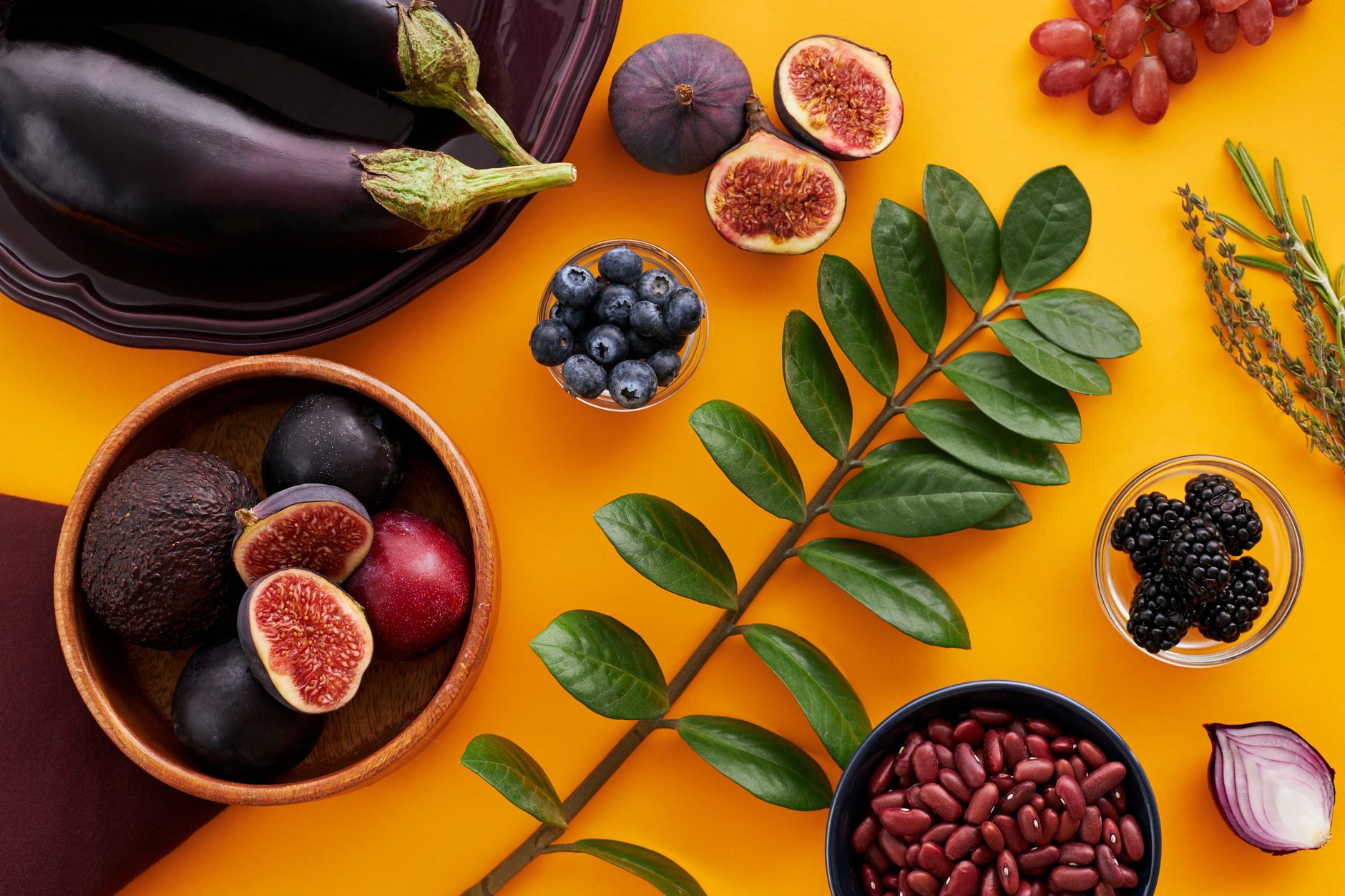
Humans were not always surrounded by food the way many populations are today. We were hunter-gatherers, gathering food as we came across it, which is not a guaranteed three times a day. It was only after we settled down as farmers and the agricultural revolution that humans developed the pattern of constant eating. Evidently, our bodies were not meant to handle this volume of food. Digestion requires a large amount of mental and physical energy, redirecting our energy supply away from other necessary functions such as healing old injuries, regenerating new cells and tissues, and cleaning out toxins. The lack of attention to the rest of the body results in a wide variety of health disorders. Fasting provides the body an opportunity to return to our original practices of eating and focus on other necessary tasks.
Fasting comes in many forms, giving you the ability to choose which method best accommodates your lifestyle or the extent to which you are able to fast. I have listed the few methods I am most familiar with below:
- Intermittent Fasting: involves eating during a specific eating window, typically between peak daylight hours, i.e. 12 PM to 5 PM. Beginning with a late meal forces you to be aware of when your body is truly hungry, not just when you are craving food. Ending with an early dinner, gives your body time to digest its food before sleeping, improving its ability to rest and restore at night.
- Juice Fasting: a form of “hyper-nourishment” fasting in which you only drink raw fruit and vegetable juices. As I discussed in my “Nutrients versus Calories” post, raw foods are filled with micronutrients that fuel the body’s restorative processes. Due to the current states of many of our digestive tracts, many are unable to break down the tough fiber of raw foods to be able to absorb these life-giving nutrients; this makes juicing a great alternative.
- Water Fasting: as the name suggests, water fasting involves surviving solely on water for a period of time. This is a great option for those who cannot afford or do not have the time to prepare the juices of a juice fast.
- Dry Fasting: commonly practiced in religious contexts, such as during Ramadan and Atonement (Yom Kippur), dry fasting involves abstaining from food and water. Dry fasting can expedite the process of breaking down dead, unwanted material.
The most important thing to remember when experimenting with any form of fasting as identifying which works best with your body and what you can handle. Each type will have tremendous benefit to your system, but it is typically the detox symptoms that will make one form harder to endure than others. With any cleansing process, in which your body is eliminating tremendous amounts of waste, there will be associated detox symptoms, such as tiredness, rashes, colds, diarrhea, etc. You must keep in mind that these are the ways the body naturally eliminate toxins; do not be afraid of what your body is meant to do. On the same note, if you feel that you are not mentally ready to experience the symptoms, ease into the fasting process.
More than physical healing, I find I appreciate fasting for the mental benefits. When my thoughts are not constantly, consciously or unconsciously, focused on my digestion or my next meal, I’m able to achieve a state of peace, focus, and mental clarity, automatically calming my entire system. Further, I am removed from the contradictory concept that food should be ingested to heal any ailment. I am sure we have all made the Google search of “What foods are best for…”. Often, it is much better to let your digestive organs rest to allow the rest of your body to heal without any disturbances. Although it may feel better to eat, we are only fulfilling a mental rather than physical craving.
With fasting, the best motivation is to think about the big picture benefits you are gifting your body. Finally, your body has time to focus on other crucial processes besides digestion, allowing it to heal illnesses you did not know you had and would have manifested into something worse. As always, listen to your body and pay attention to its symptoms, being strong enough not to be afraid of the symptoms, but instead analyzing why they occur.