How often have you felt hungry after eating a meal? Even though you ate what felt like a sufficient amount at the time, you feel your stomach rumble shortly after. The issue here is not lack of calories but nutrients. Our bodies require nutrients and minerals to build and renew its cells and to fuel essential functions. Unfortunately, many calorie dense foods do not contain these essential components, leaving us feeling, constantly, hungry.
What exactly do I mean by “nutrient”? This word “nutrient” has become quite a buzz word as of recent; many consumers are looking to fulfill their macronutrient (fats, protein, and carbohydrate) groups during every meal. However, this focus ignores the equally important micronutrient groups: vitamins, minerals, and water. Although concentrated amounts of macronutrients provide more immediate energy and satiation, micronutrients fuel the body’s processes that build and restore your health from within. For example, zinc and magnesium bind to and allow for the function of enzymes, proteins that speed up chemical reactions in the body, and Vitamin E is an antioxidant that cleans out toxins in your system. These are just a few of the many, often unnoticed properties, of micronutrients.
If micronutrients are clearly so essential, why do calories receive more of an emphasis today? It comes down to our biological instincts. Humans are innately inclined to seek calorie-dense foods. In the past, this was useful for survival during food scarcity; however, in today’s “food-topia”, this instinct is allowed to morph to addiction. Food companies and restaurants take advantage of this instinct and encourage consumers to continue to fill themselves with calorie-dense items.
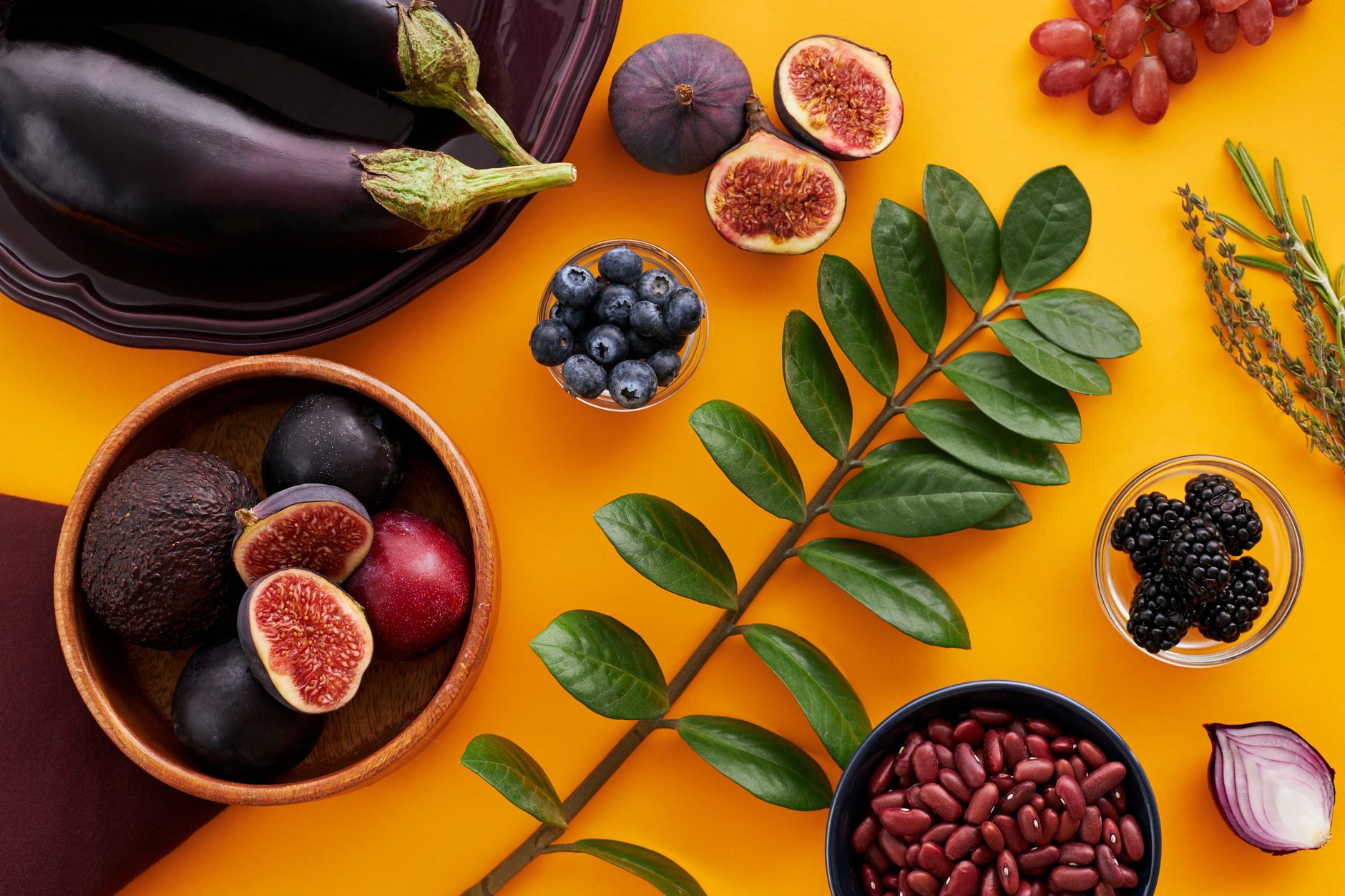
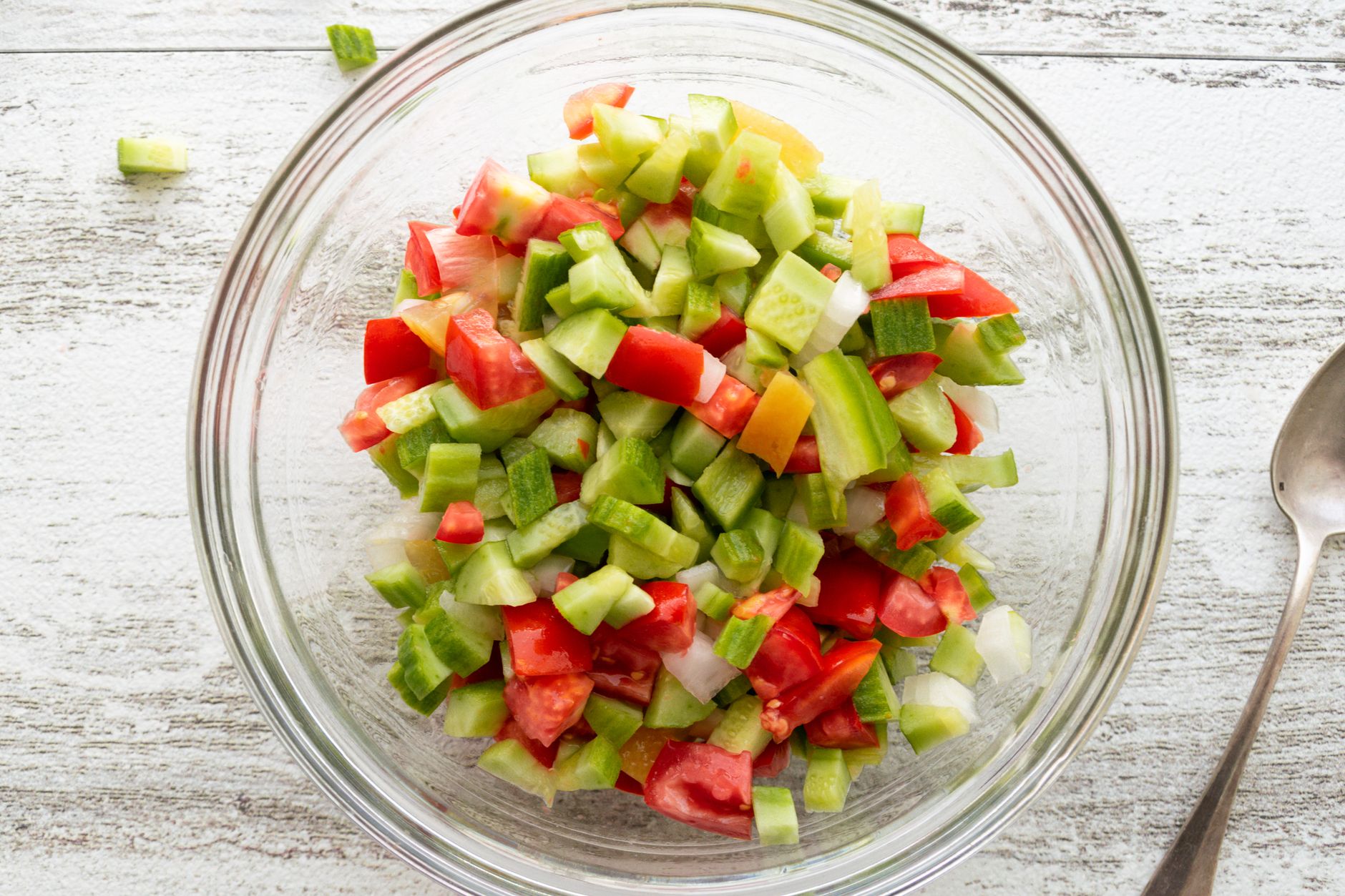
So how do we achieve true satiation in our current food environment? Search for nutrient-rich foods. Nutrient-rich foods have undergone little to no processing, which allows them to conserve the healing properties they contain. Processing is any action that changes a food’s composition- this includes cooking! Cooking denatures proteins in the food that speed up nutrient metabolism in your body. Include more raw foods throughout your day (i.e. fruits, salad, sauerkraut) to optimize your nutrient intake.
A low-calorie, nutrient-dense diet facilitates better overall functioning and encourages optimal health. Rather that searching for bulk that tires you down and leaves you hungry, nutrient-rich foods will keep you satiated and heal you from within.